Salem Witch Museum
Location of the East Church
During the Salem witchcraft trials of 1692, this site was home to Reverend John Higginson, minister of Salem’s First Church, and his adult daughter, Ann Dolliver. Though Higginson largely remained apart from the turmoil, Dolliver was accused of witchcraft and arrested. She confessed but was never brought to trial.
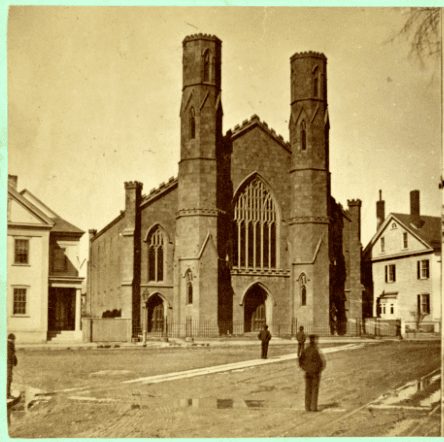
In 1717, residents of Salem’s eastern end broke away from the First Church to establish The East Church. It was here that William Bentley — a celebrated diarist whose journals offer one of the most vivid chronicles of life in early Salem — served as minister from 1783 to 1819, guiding the congregation toward Unitarianism. Between 1844 and 1846, the congregation built a striking new Gothic Revival church on the edge of Salem Common, where they worshipped for roughly six decades before merging with the Barton Square Church, another congregation that had itself split from the First Church.
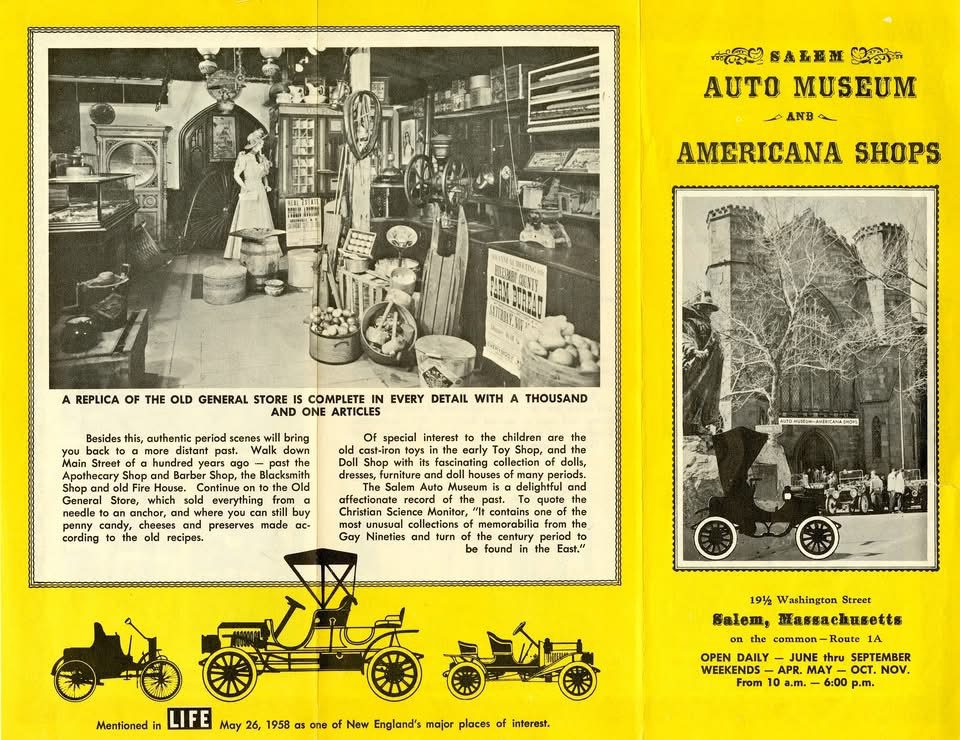
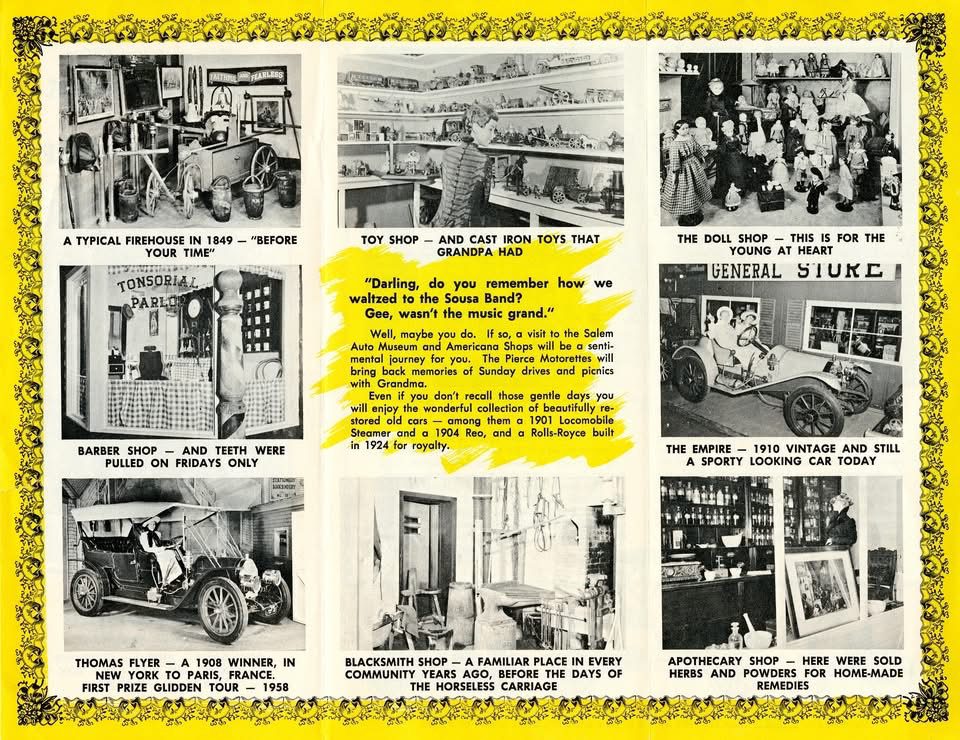
The building later served as the Salem Auto Museum and Americana Shops from 1957 to 1969, drawing visitors with its collection of early automobiles, horse-drawn carriages, and replicas of 19th-century storefronts. In 1972, the space was transformed again when the Salem Witch Museum opened, becoming one of the first attractions in the city dedicated to telling the story of the 1692 witch trials through thirteen life-size stage sets. In 1999, the museum expanded with a second exhibit, Witches: Evolving Perceptions, exploring the changing image of the witch across centuries.