Charlotte Forten Park
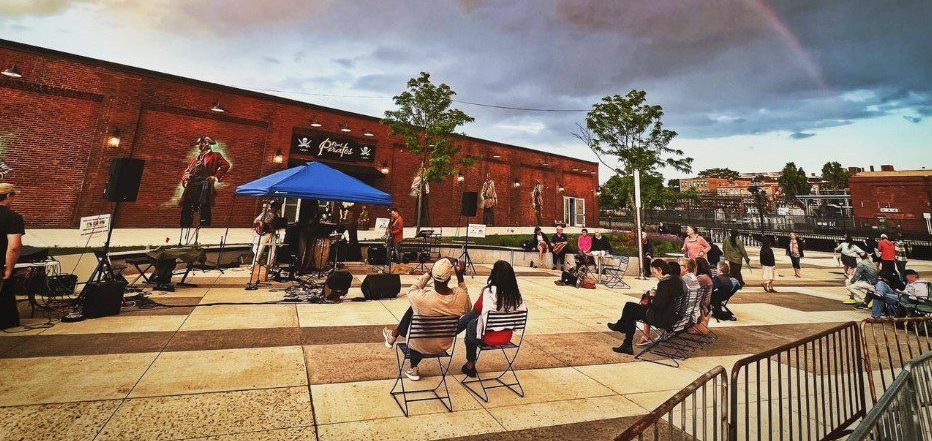
Built on land reclaimed from the South River, this plot has historically been the site of many wharves and warehouses. Today, Salem’s newest park (2019) features an events plaza, river walk, and greenspace, and bears the name of one of the nineteenth century’s most compelling voices for justice: Charlotte Forten Grimké.
Grimké advocated tirelessly for equality for women and people of color, universal access to education, and the abolition of slavery. Born in Philadelphia in 1837 to a free African-American family with a multi-generational history of abolitionism, she came to Salem in 1853 to attend a racially integrated girls’ school, living with the Remond family — themselves prominent figures in the abolitionist and women’s suffrage movements. In 1856, she became the first African-American student at the Salem Normal School, today Salem State University, and upon graduating, the first African-American teacher in Salem Public Schools. During the Civil War, she traveled to the coast of South Carolina to teach formerly enslaved people. Beyond her activism, Grimké was also an accomplished poet and essayist, leaving behind a rich literary legacy alongside her life of service.
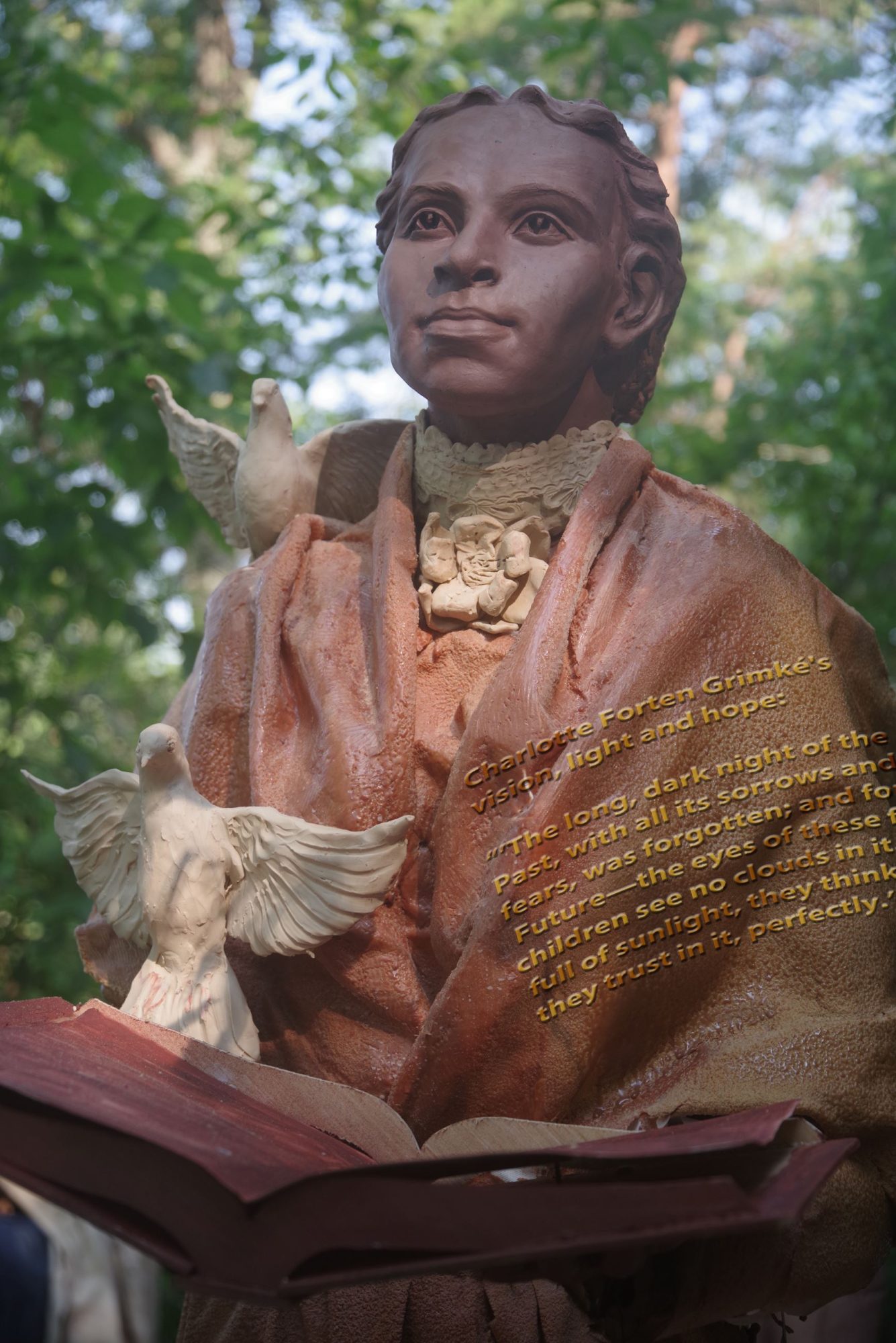
In 2024, artist Ai Qiu Chen Hopen created a memorial statue for the park in Grimké’s honor — a work envisioned as a tribute to the future she helped make possible, guided by her enduring spirit of light and hope.